Apple is cracking down on “low value” apps
Here’s how to avoid your app getting rejected
AI has brought a flood of people submitting apps to the App Store, and I think Apple is kind of sick of it because they are starting to crack down on apps that do not actually bring value to the App Store.
If you are building an app right now, take a deep look at it and make sure it is actually valuable beyond what a website can do, beyond what ChatGPT can do, beyond what somebody can Google, put into a spreadsheet, or recreate in a weekend.
The question is not just can this be an app? The better question is: does this deserve to be an app? Is there a unique value proposition? Is there some defendable advantage, like IP, an algorithm, a community, domain knowledge, a dataset, a workflow, or distribution?
Apple is not only reviewing whether your app launches. They are reviewing whether it belongs in the App Store.
Why Apple is tightening up App Review
Apple has always had App Store Review rules around quality, spam, minimum functionality, and duplicate apps. The official Apple App Review Guidelines and Apple App Review overview are worth reading before you submit anything.
The timing matters though. AI tools made it easier to generate apps, clone ideas, wrap APIs, and ship basic interfaces quickly. That is great for builders, but it also means the App Store can get flooded with the same thing wearing different branding.
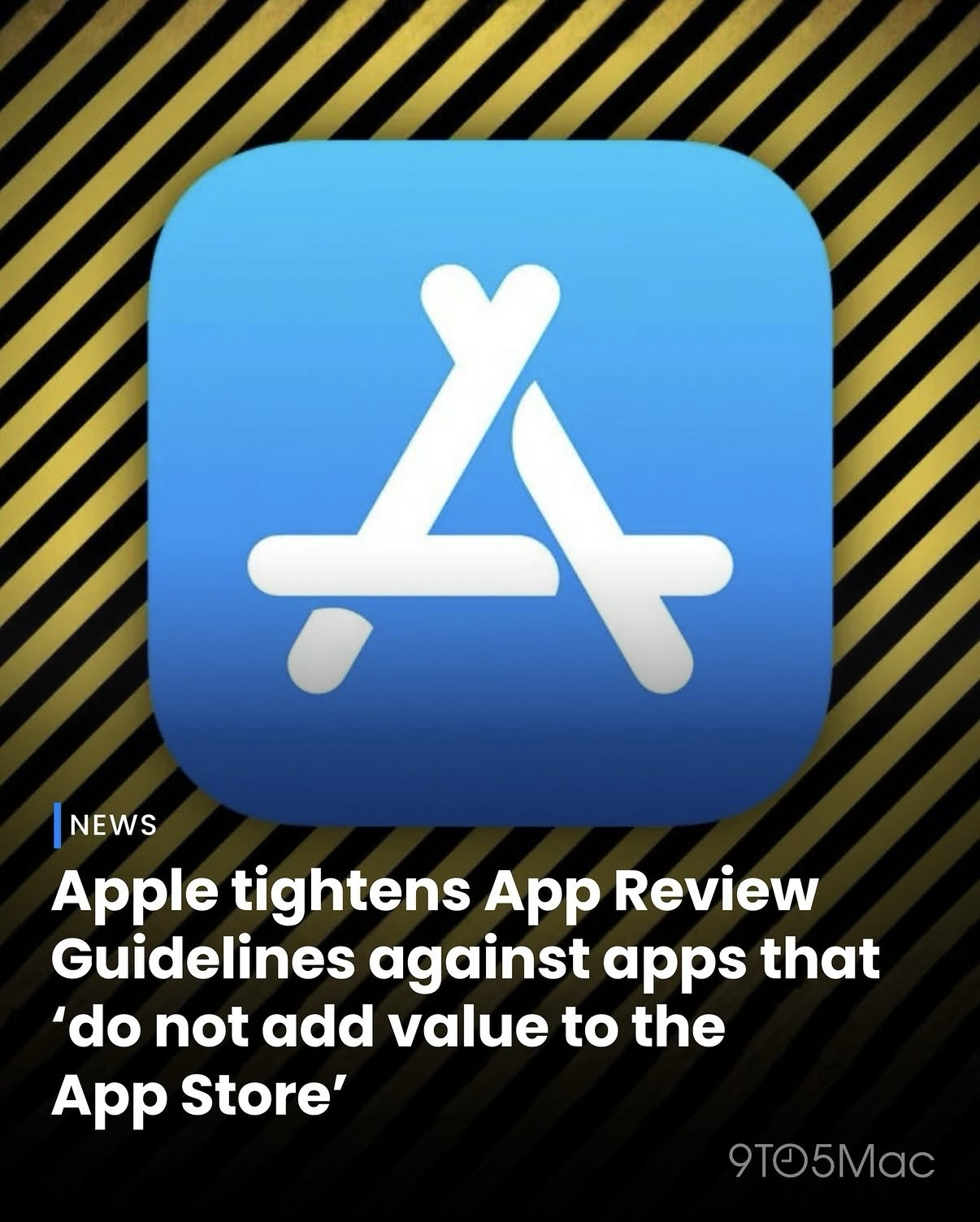
That is why the recent conversation around Apple rejecting apps that do not add value is important. 9to5Mac coverage of Apple’s updated rules called attention to Apple tightening App Review language around apps that do not add value. Treat that as a signal.
Apple is effectively saying: do not send us another thin app that could have been a webpage, a prompt, a spreadsheet, or a clone of something already here. Small apps are not dead. They just need to be specific, useful, polished, and clearly app-native.
The real problem with low value apps
It may be tempting to simply make an "app" version of your website, "add value" wrapped around an AI model or service, or build a "new place for organizing, information, and communication around an untapped niche." Sometimes those ideas work, but often they become a thin shell around existing products, a low-value niche alternative to social media, or a new interface for information people can already find elsewhere.
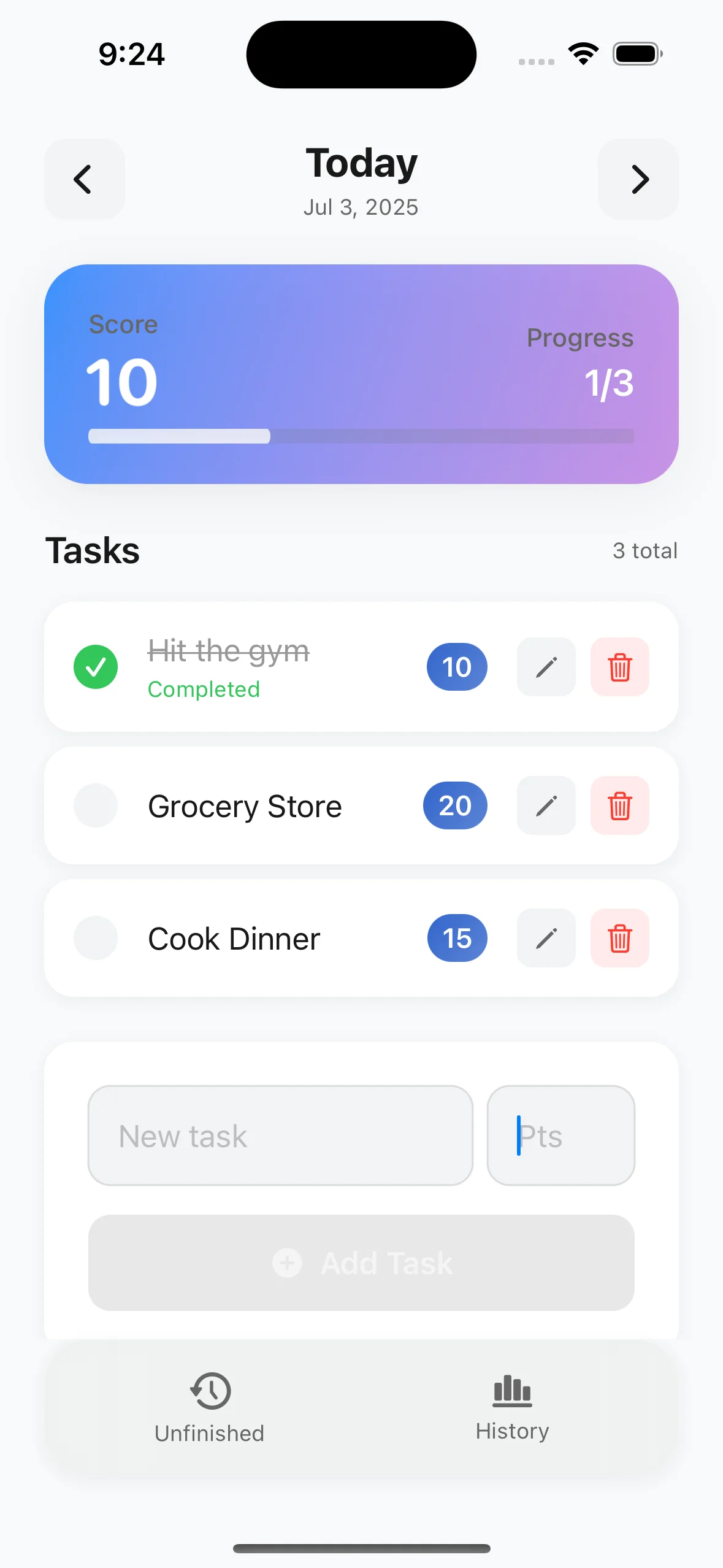
The dangerous version is when the whole app can be described as a list with categories, a chat screen connected to an AI API, a website inside a mobile shell, or a template app with a different icon.
None of those are automatically bad. The problem is when there is no deeper reason for the app to exist.
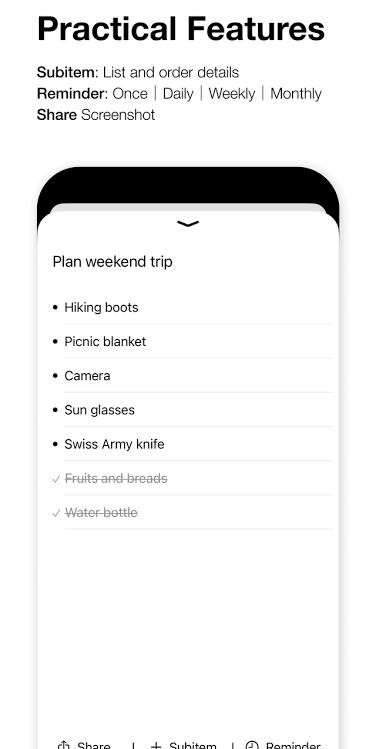
A simple todo app can be valuable if it solves a specific workflow better than anything else. A niche community app can be valuable if the community is real. An AI app can be valuable if it has context, memory, domain expertise, workflows, outputs, or integrations that make it more than a generic chat box.
But if the app is just a thin wrapper around a model, a generic database, or an existing website, Apple has less reason to approve it.
Your app needs a reason to exist as an app
Your app needs to actually be worthy of being an app. It has to have a real reason to exist as an app, and you cannot just make an app for the sake of making an app. At the bare minimum, it needs to be valuable to Apple.
That phrase might sound weird because you are probably thinking about the user. And yes, the user matters the most. But App Store approval is also about whether your app improves the App Store, supports the platform, and gives people a reason to install it.
So before you submit, ask yourself:
- Would someone still want this if the AI novelty disappeared?
- Does this save time, reduce friction, or create an outcome people care about?
- Does the app use the phone in a way that makes sense?
- Is there something meaningfully better here than a website?
- Is there something meaningfully better here than a note, spreadsheet, Google search, or ChatGPT conversation?
If you cannot answer those questions clearly, App Review might not be the real problem. The product might be the problem.
What makes an app valuable to Apple
The way you make the app more valuable to Apple is not by sprinkling random iOS features everywhere. It is by using the platform in ways that improve the experience.
At a bare minimum, that means adding native OS features that a website or basic ChatGPT wrapper cannot do well, like useful push notifications, home screen widgets, custom keyboards, share sheet integrations, contacts and calendar access, iCloud storage, health data, or Apple Watch features.
The key phrase is actually improve the experience.
Push notifications are not valuable if they are spam. Widgets are not valuable if they only repeat what is already inside the app. Health data is not valuable if it is bolted on for approval theater.
Apple is not looking for a checklist of APIs. Apple is looking for an app that feels like it belongs on iOS.
Native features that can help your app feel app-worthy
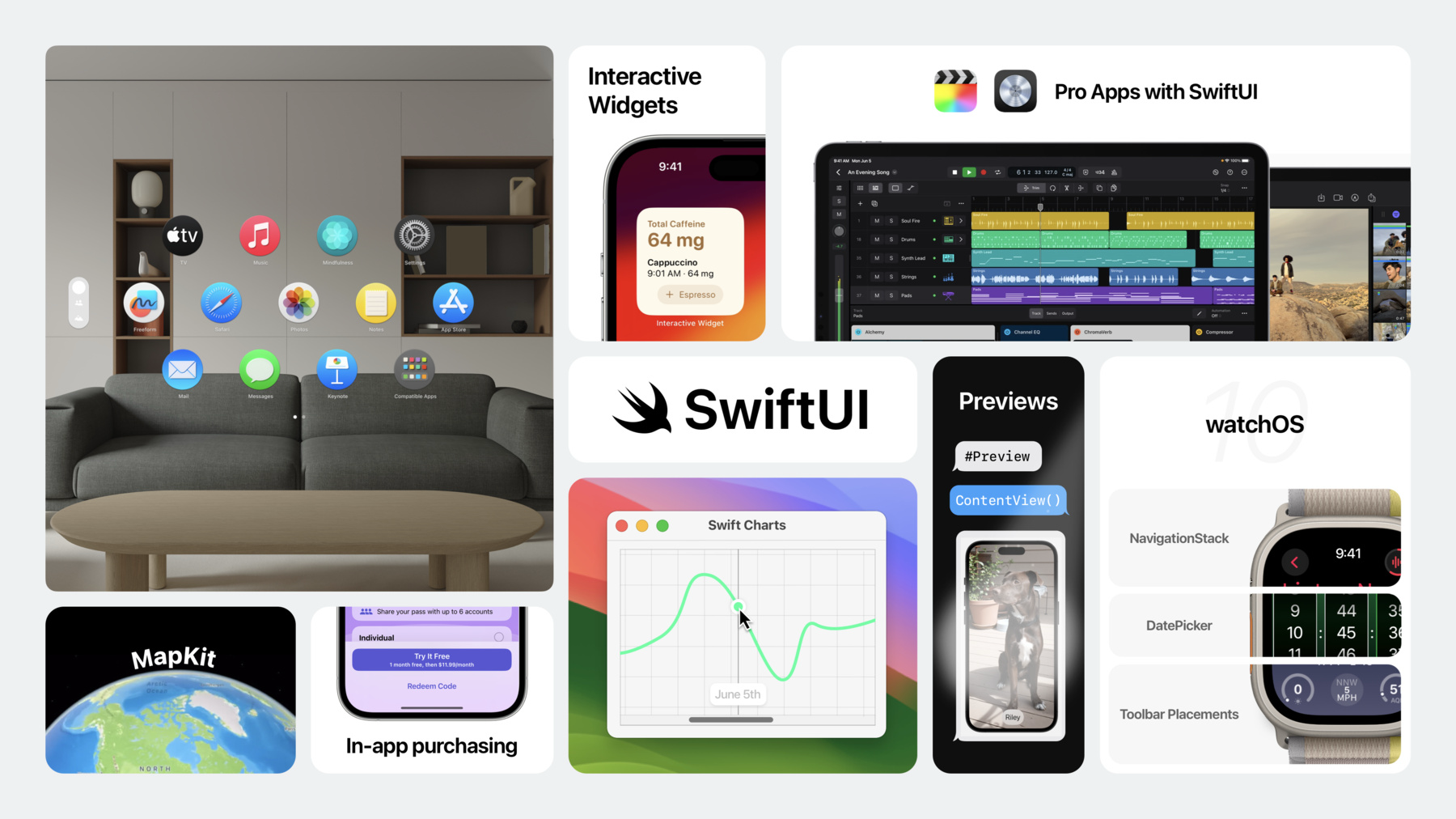
Here are a few native features that can make an app feel more defensible when they are used for the right reasons.
Push notifications can bring users back at the right moment. If your app has reminders, updates, social activity, progress tracking, or workflow alerts, the Apple User Notifications framework can support a real mobile experience.
Home screen widgets can make the app useful without opening it. With Apple WidgetKit, your app can show progress, upcoming tasks, stats, saved items, or quick context.
iCloud and CloudKit can support sync, private user data, and cross-device continuity. Apple CloudKit can make sense when users need their content to follow them between devices.
HealthKit can be a real platform advantage for fitness, wellness, habit, recovery, nutrition, or medical-adjacent apps when used responsibly. Apple HealthKit is not something to add casually, but it can make the app meaningfully native.
Other features can help too: share sheet extensions, Siri Shortcuts, Live Activities, App Intents, Apple Watch support, camera access, location awareness, contacts, offline mode, and secure on-device storage.
This does not mean your app is a good idea. That is a whole different problem. But if your app uses the phone in a way that actually makes sense and promotes the value of Apple’s platform, Apple has a better reason to approve it.
A quick checklist before you submit
Before submitting to App Store Review, I would run through this checklist honestly.
Can you explain the app’s unique value in one sentence? If the pitch takes five paragraphs, the value might not be clear enough yet.
Does the app solve a real mobile problem? If the best version is a desktop website, that is a clue.
Does the app use native iOS features for real user value? Push notifications, widgets, iCloud, HealthKit, camera access, calendar integrations, or Apple Watch support should make the product better.
Is the app more than generated content? If the app is AI-powered, make sure the product includes context, workflow, memory, personalization, domain expertise, or outputs that are hard to get from generic chat.
Is the app polished enough to trust? Crashes, broken flows, placeholder screens, confusing onboarding, missing privacy language, and bad paywall behavior can all create problems.
Would Apple be proud to have this in the store? That sounds dramatic, but it is a useful filter. The App Store is a curated marketplace, not just a place to upload every experiment.
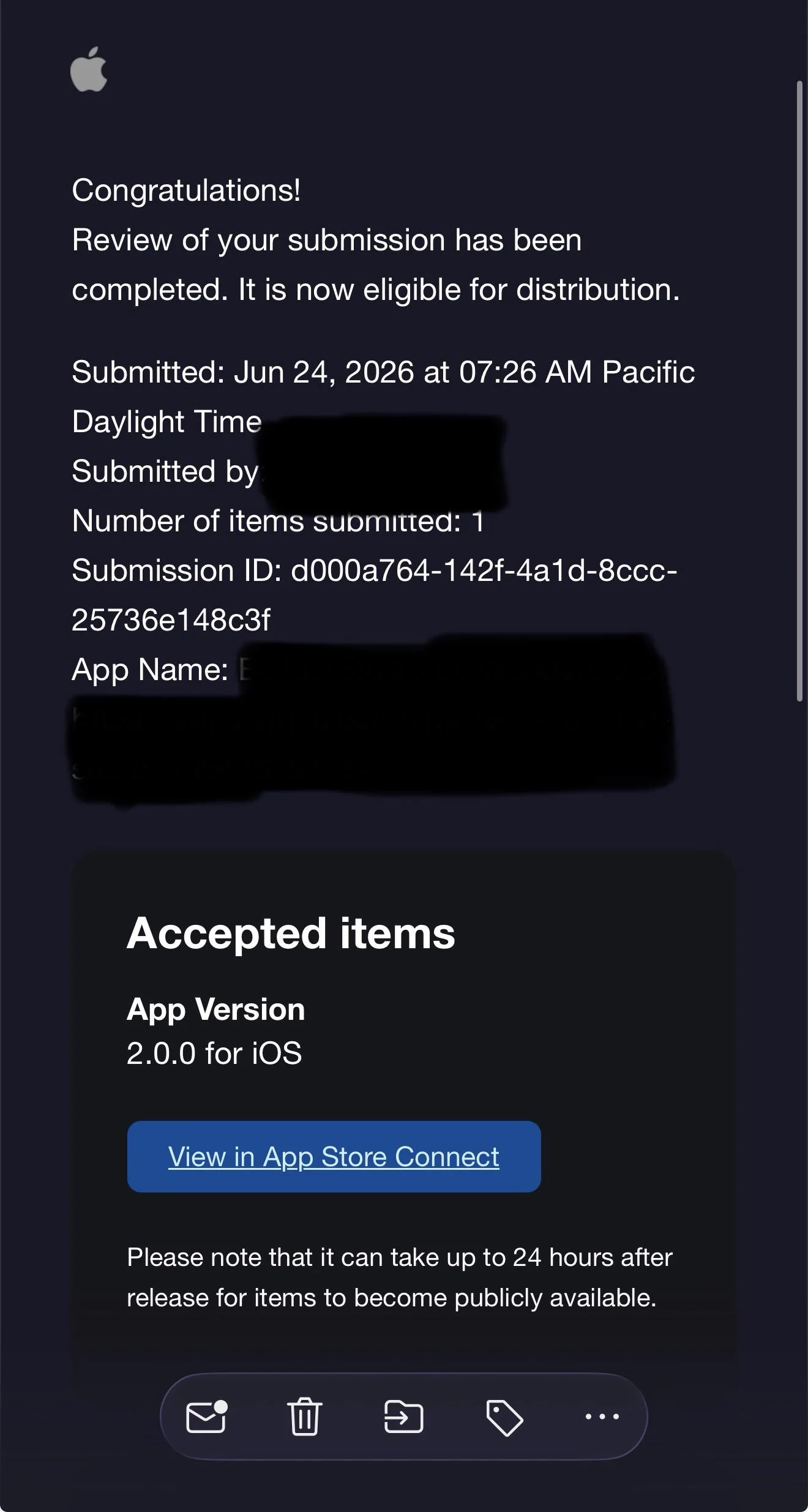
Getting approved is easier when the app’s value is obvious. Your metadata, screenshots, onboarding, and core flow should all make the same argument: this app deserves to be installed.
Final thoughts
But as I mentioned earlier, there may be more to think about on whether the app is worth the build even if you get Apple to approve it. Apple approval is not product-market fit, retention, distribution, or monetization. It just means your app cleared the bar to enter the store.
Still, App Review pressure is useful because it forces better questions before you spend months building. Is this app actually valuable? Is the mobile experience necessary?
If the answer is yes, lean into that. Make the value obvious. Build the native parts with intention. Show why the app belongs on the platform.
If the answer is no, that is not failure. It might just mean the idea should be a website, a tool, a newsletter, a plugin, a community, or a prototype before it becomes an app.
Thoughts?
Drop any other App Store rejection patterns you are seeing, especially around AI apps, low value apps, and apps that feel too close to websites.
